
Blackjack card values are the foundation of every decision you’ll make at the table, yet they trip up more new players than almost anything else in the game. Once you understand how each card counts, hitting, standing, and doubling down start to feel much less like guesswork.
This guide breaks down exactly how much each card is worth, clears up the common confusion around face cards and the ace, and shows you how those values come together to form real hands. We’ll also point you toward deeper reading if you want to build on this with strategy and card counting later.
The Basic Value System in Blackjack
Blackjack uses a simple point system, but it only makes sense once you see the whole picture at once. Every card in the deck falls into one of three groups: number cards, face cards, and the ace. Number cards are worth exactly what’s printed on them — a 2 is worth 2, a 7 is worth 7, and so on through 10.
Face cards (jack, queen, king) are all worth 10, regardless of suit. The ace is the only card with a flexible value, counting as either 1 or 11 depending on what helps your hand most. This flexibility is what makes blackjack itself possible — without it, hitting 21 with just two cards (an ace plus a 10-value card) wouldn’t exist as a concept.
Suits never matter in blackjack. A king of spades and a king of hearts are identical in value. This trips up players coming from games like poker, where suits can decide ties or build flushes. In blackjack, you’re only ever adding up numbers, and the goal is to get as close to 21 as possible without going over.
How Much Is a King Worth in Blackjack?

A king is worth 10 points, full stop. This is one of the most common questions new players ask, and the answer is refreshingly simple compared to some other parts of the game. How much is a king in blackjack regardless of which suit it belongs to — spades, hearts, clubs, or diamonds — it always counts as 10.
This matters strategically because a king paired with an ace gives you a natural blackjack, the strongest two-card hand in the game. It also matters when you’re deciding whether to hit or stand: if your hand already includes a king, you know you’re carrying a solid 10 points and can calculate your risk of busting more precisely.
Dealers follow the same rule. When a dealer’s up-card is a king, you’re facing a strong position for them, since there’s a good chance their hidden card could also be worth 10, putting them close to 20. This is one of the situations where basic strategy for beginners becomes genuinely useful, since it tells you exactly how to respond to a dealer showing a king based on your own total.
How Much Is a Queen in Blackjack?
Just like the king, a queen is worth 10 points in every blackjack variant you’ll encounter. How much is a queen in blackjack is really the same question as asking about any face card — the answer doesn’t change based on which one you draw. Jack, queen, and king are treated identically at the value level.
What differs is only how players sometimes reference these cards in conversation at the table. You might hear someone call a drawn face card a “paint” or a “picture card,” but these are just casual terms for the same 10-point value. If you want a fuller rundown of casino slang like this, the blackjack terms glossary covers phrases you’ll hear regularly at live tables.
A queen combined with any other 10-value card gives you a hard 20, one of the strongest non-blackjack hands possible. Combined with an ace, it forms a natural. Understanding this helps you see why dealers and players alike pay close attention to how many 10-value cards have already been played, especially in games with multiple decks.
How Much Is a Jack Worth in Blackjack?
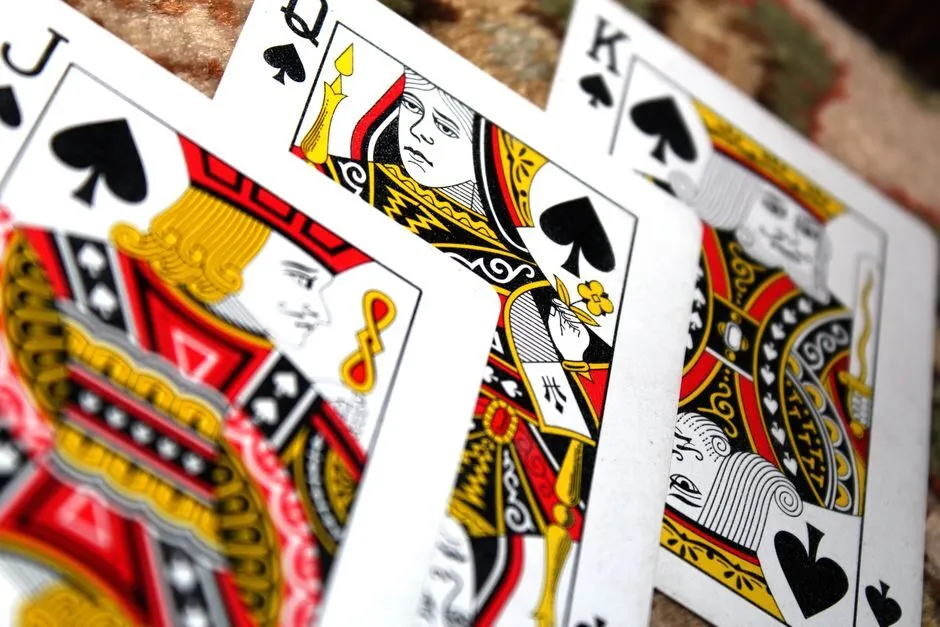
A jack is worth 10 points. How much is a jack worth in blackjack follows the exact same logic as the queen and king — no exceptions, no special cases. All three face cards exist purely as 10-point cards within the scoring system, and the game doesn’t distinguish between them for value purposes.
Where jacks sometimes cause confusion is in games that also use jacks for side bets or bonus features, like certain blackjack variants with progressive jackpots. In standard blackjack, though, you can ignore all of that — a jack is simply a 10 for every calculation you’ll make.
Here’s a quick reference table covering every card type:
| Card | Value |
|---|---|
| 2 through 9 | Face value (2–9 points) |
| 10 | 10 points |
| Jack | 10 points |
| Queen | 10 points |
| King | 10 points |
| Ace | 1 or 11 points |
This table is worth memorizing early, since every strategy decision you’ll ever make builds on it.
The Ace: Blackjack's Only Flexible Card
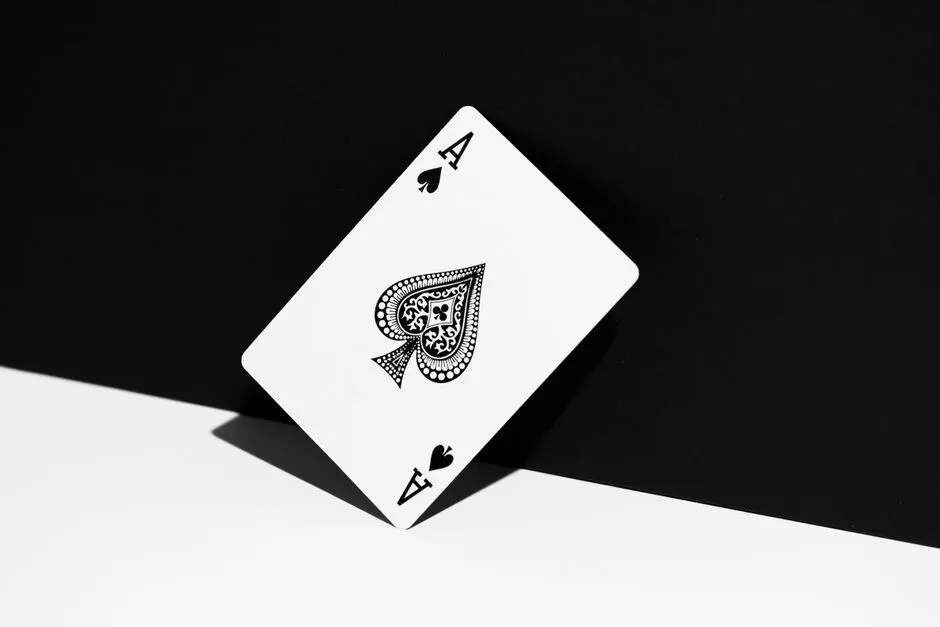
The ace in blackjack is unique because it can count as either 1 or 11, and the game automatically uses whichever value keeps your hand in play. This flexibility is what separates the ace from every other card and why it deserves its own explanation beyond a simple number.
When your hand includes an ace that can count as 11 without pushing your total over 21, that hand is called a “soft” hand — for example, an ace and a 6 is a soft 17. If you add a card and the total would exceed 21 with the ace counted as 11, it automatically drops to 1 instead, turning the hand “hard.” For instance, soft 17 (ace + 6) plus a 9 would total 22 if the ace stayed at 11, so it shifts to 1, making the hand a hard 13.
This is also why an ace paired with any 10-value card on the first two cards is called a natural blackjack, typically paying out at better odds than a standard win. For a deeper breakdown of how this single card shapes so much of the game’s strategy, see this full guide on what the ace is worth in blackjack, which covers soft versus hard hands in more detail.
Putting Values Together: How Hands Are Scored
Once you know individual card values, the next step is understanding how they combine into a final hand total. You simply add the value of every card in your hand together. A 9 and a 7 makes 16. A king and a 5 makes 15. An ace and an 8 makes either 9 or 19, and since 19 doesn’t bust, that’s the value you’d use.
Here’s a step-by-step way to score any hand:
- Add up all number and face cards using their standard values first.
- If there’s an ace in the hand, try counting it as 11.
- If the total with the ace as 11 is 21 or under, use that total (soft hand).
- If the total would exceed 21 with the ace as 11, count the ace as 1 instead (hard hand).
- If you draw additional cards, repeat this check each time before deciding your next move.
This is especially important when you’re deciding whether to double down on a hand, since doubling commits you to exactly one more card. Knowing your true hand value — soft or hard — changes whether that’s a smart move or a risky one.
Common Mistakes Players Make With Card Values
Even experienced players occasionally slip up on card values, usually because they’re moving fast or distracted by other parts of the game. Here are the mistakes that come up most often:
- Forgetting the ace can shift value mid-hand. Players sometimes treat an ace as locked into 11 and misjudge whether they’re at risk of busting.
- Confusing suits with value. New players occasionally assume a spade or heart carries extra weight — it never does in standard blackjack.
- Miscounting multiple face cards. A hand with a queen, a king, and an ace isn’t 31 — it’s 21, because the ace drops to 1 automatically.
- Overlooking soft hands when deciding to hit. A soft hand like ace-6 has far less bust risk than a hard hand of the same total, which should factor into your decision.
Getting comfortable with values is really the first layer of a much bigger skill set. Once this feels automatic, it’s worth exploring the blackjack odds explained guide to see how these values translate into actual probabilities at the table.
Why Card Values Matter for Strategy and Counting
Understanding card values isn’t just a beginner’s checkbox — it’s the base layer that every strategic concept in blackjack is built on. Basic strategy charts, for instance, are organized entirely around your hand’s value versus the dealer’s up-card value. Without a solid grip on what each card is worth, those charts won’t make much sense.
The same goes for card counting. Counting systems assign tracking values to cards specifically because of their blackjack point value — low cards (2 through 6) get one treatment, 10-value cards and aces get another, because of how they affect the odds of busting or hitting blackjack. If you’re curious how this works in practice, this guide on how to count cards walks through the process from the ground up, while this beginner’s guide to counting cards offers a gentler introduction if you’re just starting out.
Spending time now to really internalize card values pays off later, whether your goal is casual play, tighter basic strategy, or eventually learning advantage play techniques.
FAQ
What is the value of a 10 in blackjack?
A 10 is worth exactly 10 points, the same as any face card. It’s treated identically to a jack, queen, or king in every calculation.
How much is a king worth in blackjack if the dealer has it face up?
A king is always worth 10 points, whether it’s your card or the dealer’s. A dealer showing a king is considered a strong up-card since there’s a reasonable chance their hidden card is also 10-valued.
Can an ace be worth something other than 1 or 11?
No. The ace in blackjack only ever counts as 1 or 11, and the game automatically uses whichever value keeps the hand at 21 or under.
Do suits affect card value in blackjack?
Suits have no effect on value in blackjack. A card’s worth depends only on its rank — number, face card, or ace — never its suit.
What happens if I have two face cards and an ace?
The ace automatically counts as 1 in that case, since counting it as 11 would push the total over 21. Two face cards plus an ace equals 21 exactly.
Mastering blackjack card values takes just a few minutes to learn but pays off every single hand you play. Once the numbers feel automatic, you’re ready to build real strategy on top of them — from basic decision charts to more advanced techniques covered throughout the rest of this site.