
What is ace in blackjack, and why does one single card cause so much confusion at the table? The ace is the most flexible card in the deck, and understanding exactly how it works is one of the first things every new player needs to master before trying any real strategy.
Unlike every other card, the ace doesn’t have one fixed value. That flexibility changes how you count your hand, how you decide to hit or stand, and even how the dealer plays certain hands. This guide breaks down what the ace actually does, how much it’s worth in different situations, and how to use it to your advantage.
What Is Ace in Blackjack? The Basic Definition
In blackjack, the ace is the only card that can hold two different values at once: 1 or 11. Every other card in the deck has a fixed worth — number cards count at face value, and face cards (jack, queen, king) always count as 10. The ace stands alone as the card that adapts to whatever total helps your hand the most.
This is why the ace is often called the “swing card.” Picture a hand of ace and 6. That’s either a hard 7 (ace as 1) or a soft 17 (ace as 11). The game automatically gives you the better reading, counting the ace as 11 whenever that keeps your total at or under 21, and dropping it to 1 the moment 11 would cause a bust.
This dual nature is also what makes a two-card hand of ace plus any 10-value card a natural blackjack, the strongest hand you can be dealt. If you’re still getting comfortable with basic vocabulary like this, the blackjack terms glossary is a good place to look up any word that trips you up along the way.
How Much Is an Ace Worth in Blackjack?
So how much is an ace worth in blackjack, exactly? The short answer: it depends entirely on your hand total at that moment. Here’s how the two values break down in practice:
- As 11: Used whenever your total with the ace counted as 11 is 21 or less. This gives you the strongest possible reading of your hand.
- As 1: Used automatically when counting the ace as 11 would push your total over 21. The hand simply converts to avoid a bust.
For example, ace plus 9 is 20 (ace as 11). Add another card, say a 5, and the hand becomes ace-9-5. Counting the ace as 11 would make that 25, a bust — so the ace shifts to 1, and the hand is a safe 15. This automatic adjustment happens every single time, which is why experienced players always mentally track both possible totals before deciding their next move.
Soft Hands vs. Hard Hands Explained
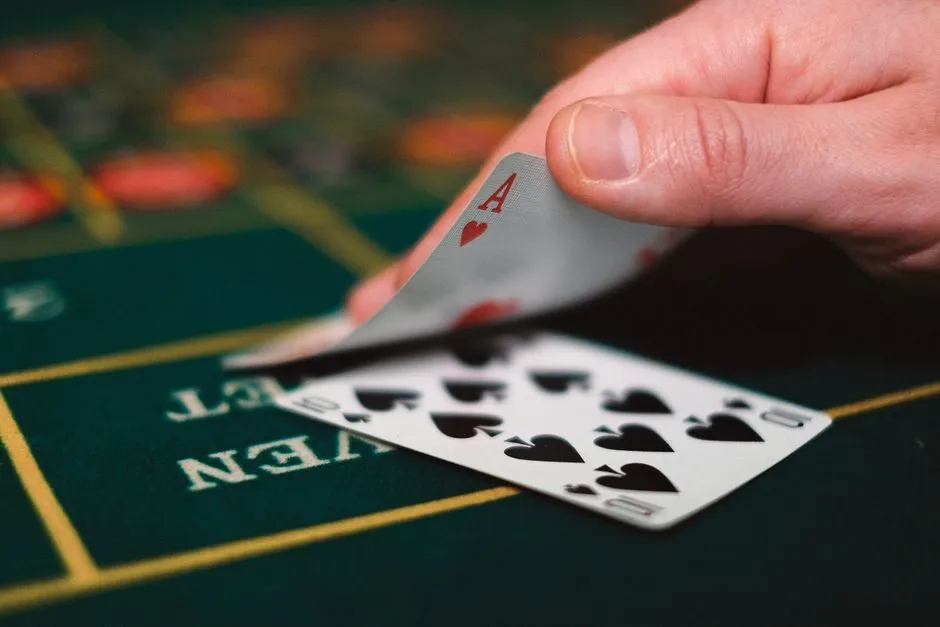
Any hand containing an ace counted as 11 is called a soft hand. A hand with no ace, or one where the ace must count as 1 to avoid busting, is a hard hand. This distinction matters enormously because soft hands carry built-in flexibility — you can hit without any risk of busting, since the ace will simply convert to 1 if needed.
| Hand | Type | Total |
|---|---|---|
| Ace + 7 | Soft | Soft 18 |
| Ace + 7 + 5 | Hard | Hard 13 (ace now counts as 1) |
| 10 + 6 | Hard | Hard 16 |
| Ace + Ace | Soft | Soft 12 |
Recognizing soft hands is a cornerstone of correct basic strategy. A soft 18, for instance, is often played differently than a hard 18 because there’s no bust risk on the next hit. If this distinction is new to you, it pairs well with learning what double down means in blackjack, since soft hands are frequently the best candidates for doubling.
Splitting Aces: Rules and Strategy
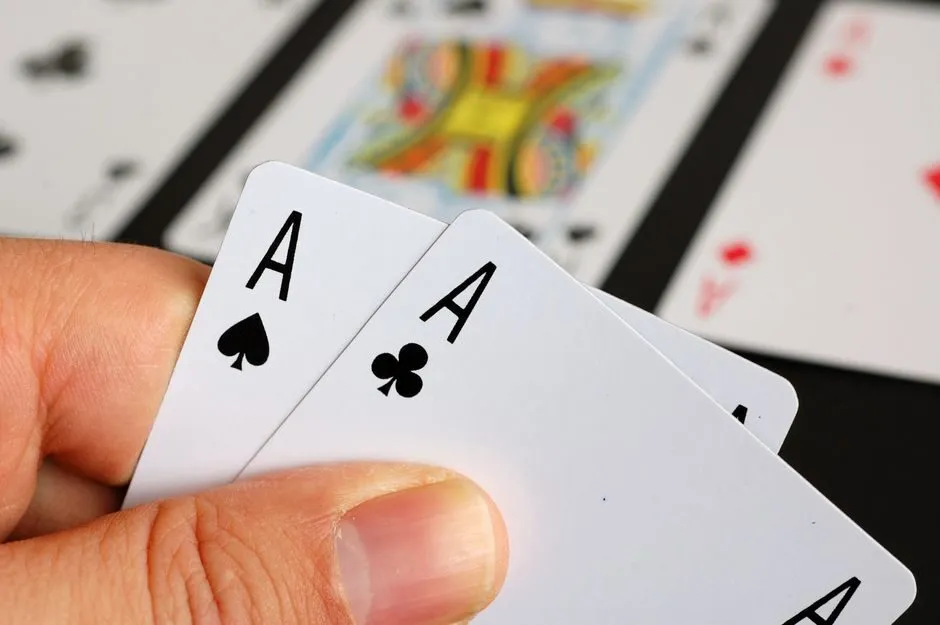
When you’re dealt two aces, you have the option to split them into two separate hands, each starting with one ace. This is widely regarded as one of the strongest splitting decisions in the game, since two hands starting at 11 (soft) have much better potential than a single hand of soft 12.
However, most tables apply special restrictions to split aces:
- You typically receive only one additional card per hand after splitting.
- Many casinos do not allow you to hit again after that single card, even if it leaves you with a low total.
- If you draw a 10-value card on a split ace, it usually counts as 21, not a natural blackjack, and pays even money rather than the blackjack bonus.
- Re-splitting a third ace is sometimes allowed, sometimes not — house rules vary by casino.
Because these rules differ from table to table, it’s worth reading the posted rules or asking a dealer before you sit down. For a deeper look at how decisions like this affect your long-term results, the guide on blackjack odds breaks down why certain plays are mathematically favored even when they feel counterintuitive.
The Ace and Blackjack (Natural 21)
A natural blackjack happens when your first two cards are an ace plus any 10-value card (a 10, jack, queen, or king). This hand beats every other hand except another natural, and it typically pays out at an enhanced rate, usually 3:2, meaning a winning bet returns one and a half times its size. Some tables pay 6:5 instead, which is less favorable to the player, so it’s worth checking the table’s payout rules before you play.
A key detail: a natural blackjack only counts as such on the first two cards dealt. If you build a 21 later in the hand through hitting (for example, drawing into ace-5-5), it’s a strong hand but not a natural, and it doesn’t receive the bonus payout. This is one of the small rule nuances that trips up new players, along with terms like “push” or “insurance,” both of which are covered in detail in the complete glossary of blackjack terms.
Why the Ace Matters for Card Counting
Aces play a special role once you move beyond basic strategy into card counting. Because an ace completing a 10-value card creates a natural blackjack with its bonus payout, decks rich in aces statistically favor the player, while decks depleted of aces favor the house.
Most popular counting systems, including Hi-Lo, treat aces as a negative count value (usually -1) specifically because of this effect, separate from how low or high cards influence bust probabilities. Some advanced players even track a separate “ace count” alongside their running count to fine-tune betting decisions, since the overall count can sometimes mask whether aces specifically are abundant or scarce in what remains of the shoe.
If this concept is new, it helps to start with the fundamentals before diving into ace-specific adjustments. The guide on how to count cards in blackjack walks through the full process step by step, while the beginner’s guide to counting cards is a gentler entry point if you’re starting from scratch.
Common Mistakes Players Make With Aces
Even experienced players occasionally misplay hands involving aces. Here are the most frequent errors worth avoiding:
- Forgetting a hand is soft: Treating a soft 17 the same as a hard 17 often leads to standing when hitting is actually correct, since there’s no bust risk with a soft total.
- Misjudging split-ace value: Expecting a 10 after splitting aces to pay as a natural blackjack, when most tables count it as a regular 21.
- Taking insurance out of habit: Insurance is a separate side bet related to the dealer’s ace up-card, not a strategy play tied to your own hand, and it’s generally not recommended as a routine move.
- Ignoring house rules: Not checking whether a table allows re-splitting aces or hitting after a split, which can change the correct play entirely.
Avoiding these mistakes comes down to practice and repetition. Basic strategy charts are built specifically to remove the guesswork from these situations, and reviewing one regularly builds the muscle memory needed to play soft hands correctly at full speed.
Practical Tips for Playing Ace Hands Correctly
Here’s a quick checklist to keep in mind whenever you’re dealt a hand that includes an ace:
- Identify whether the hand is soft or hard before deciding your move.
- Remember that soft hands can be hit freely without bust risk.
- Always split a pair of aces unless the table rules make it clearly disadvantageous.
- Check the payout rate for a natural blackjack (3:2 versus 6:5) before sitting at a table.
- Don’t assume insurance is a good idea just because the dealer shows an ace.
These habits become automatic with repetition, but they’re worth consciously reviewing until they do. Pairing this knowledge with a full strategy chart gives you a complete framework for every hand you’ll see, not just the ones involving aces.
FAQ
What is ace in blackjack worth if I have three cards?
The same rule applies regardless of how many cards are in your hand: the ace counts as 11 if that keeps your total at or under 21, and drops to 1 automatically if 11 would cause a bust. This recalculation happens every time you draw a new card.
How much is an ace worth in blackjack when paired with a face card?
An ace paired with a jack, queen, or king on the first two cards forms a natural blackjack, worth 21 and typically paid at an enhanced rate (commonly 3:2). The ace counts as 11 in this combination.
Can an ace ever count as both 1 and 11 at the same time?
No. At any given moment, an ace only counts as one value. The game simply recalculates which value benefits your hand most after each card is dealt, switching from 11 to 1 only when necessary to avoid busting.
Does splitting aces always double my chances of winning?
Splitting aces generally improves your expected outcome compared to playing them as a single soft 12, but it doesn’t guarantee a win on either resulting hand. It’s considered a strong play statistically, not a sure thing.
Why do some tables restrict hitting after splitting aces?
This is a house rule designed to reduce the player’s advantage, since split aces are already a favorable situation. Rules vary by casino, so it’s worth checking the table limits before playing.
Understanding what is ace in blackjack and exactly how its value shifts between 1 and 11 is one of the clearest dividing lines between casual players and those who play with real strategy. Once soft hands, natural blackjacks, and split-ace rules feel second nature, the rest of basic strategy becomes much easier to absorb and apply consistently at the table.