
A solid poker hands cheat sheet is one of those tools that looks simple but saves you from costly mistakes at the table. Even experienced players sometimes hesitate for a beat when comparing a flush to a straight, or forget whether three of a kind beats two pair. Having a clear visual reference removes that doubt entirely.
Below we break down all poker hands by rank, from the lowest to the highest, with a dedicated image for each one. Think of this as a printable or screenshot-friendly reference you can glance at during home games, study sessions, or while reviewing hand histories after a session.
High Card: The Baseline Hand
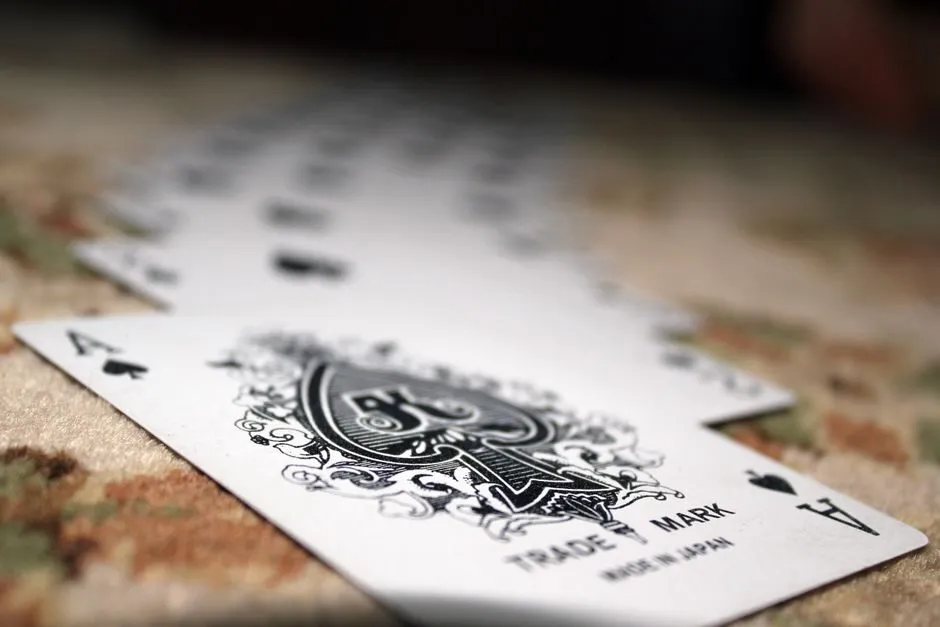
High card is the weakest hand in poker and comes up whenever you can’t make any pair, straight, flush, or better combination. It simply means your best card determines the hand’s value. New players often underestimate how often showdowns are decided by high card alone, especially in short-handed games.
When using a poker hands cheat sheet, high card sits at the very bottom of the ranking chart. It’s a good reminder that card rank (Ace high down to 2) still matters even when no combination is formed.
One Pair: The Most Common Made Hand
One pair happens when you hold two cards of the same rank, like two Jacks, paired with three unrelated side cards. It’s the most frequently made hand in poker, which is exactly why beginners need to know how to compare pairs correctly — higher pairs beat lower pairs, and if pairs match, the kicker card decides the winner.
On a poker hands cheat sheet, one pair is listed just above high card. If you’re building your overall game plan, pairing this knowledge with a basic strategy chart mindset — reading situations clearly before acting — translates well across card games.
Two Pair: A Step Above the Basics
Two pair combines two different pairs plus one unrelated card, such as a pair of Kings and a pair of 8s with a 4 kicker. This hand shows up often enough that players need a quick way to compare two-pair hands against each other — the higher pair wins first, then the lower pair, then the kicker if needed.
This is a good point in your cheat sheet to start noticing how rank order escalates. Each step up requires a slightly rarer combination of cards.
Three of a Kind: Trips in Action
Three of a kind, sometimes called trips or a set depending on how it’s formed, means three cards of matching rank plus two unrelated cards. This hand is strong enough to often win showdowns in casual games, but it loses to anything from a straight upward.
Visual references help here because three of a kind can look deceptively similar to two pair at a glance. A clear image side-by-side makes the distinction obvious, which is the whole point of keeping a cheat sheet handy during study sessions.
Straight: Five in a Row
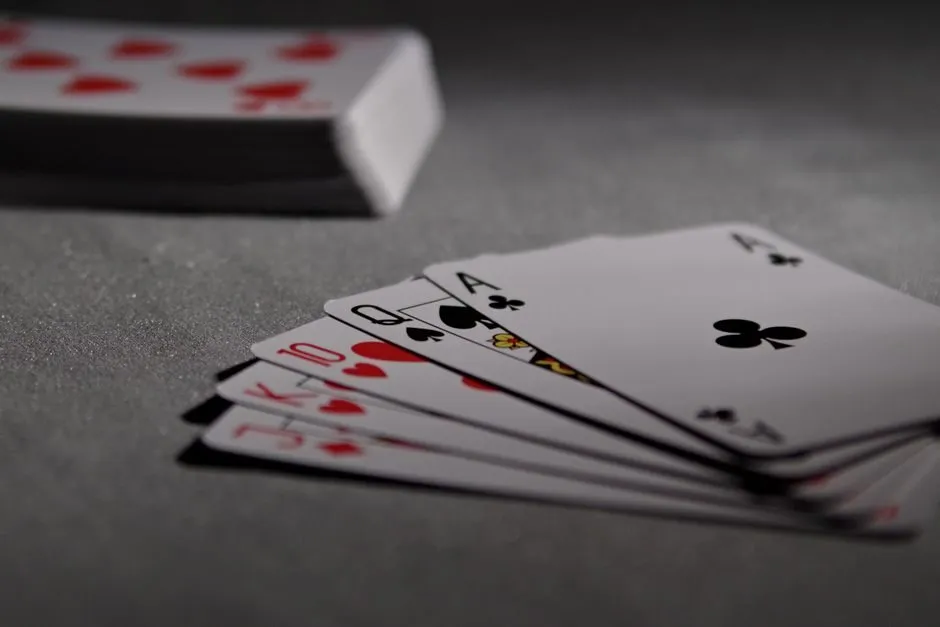
A straight is five cards in sequential rank, regardless of suit, such as 5-6-7-8-9. The lowest straight runs Ace through 5 (often called a wheel), and the highest runs 10 through Ace, known as a Broadway straight. Suits don’t matter here, which is what separates a straight from a flush.
Many players find straights tricky to spot quickly on the felt, so having a visual example memorized in advance speeds up your decision-making considerably during live play.
Flush: Same Suit, Any Order
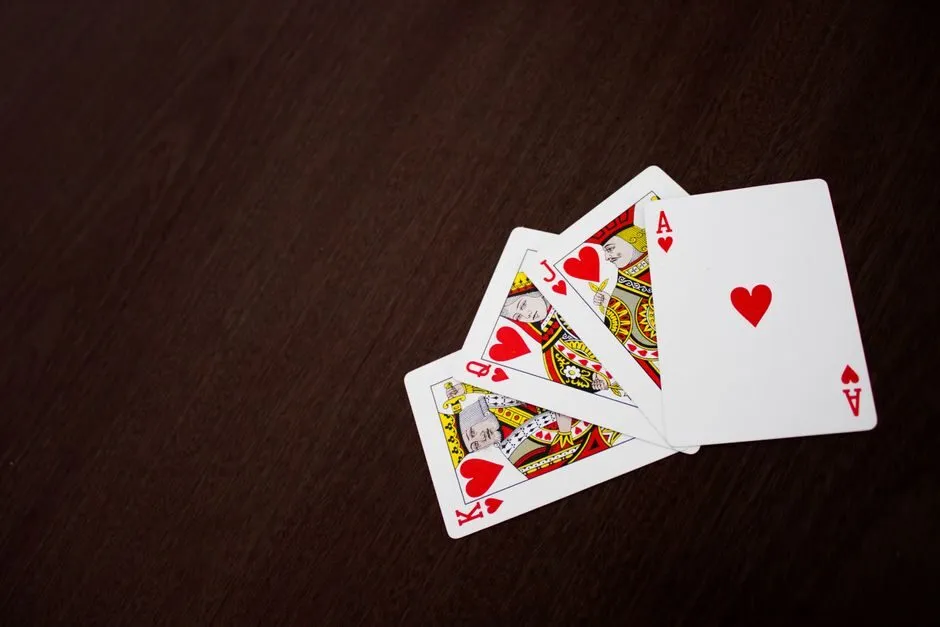
A flush is five cards of the same suit, not necessarily in sequence. It ranks above a straight because it’s statistically rarer. When comparing two flushes, the highest card determines the winner, then the second-highest if there’s a tie, and so on down the line.
If you enjoy the aesthetic side of card games, seeing a full suit laid out is also a nice visual moment — similar to how collectors appreciate custom playing card designs for the way suits and artwork come together on the table.
Full House: Pair Meets Trips
A full house combines three of a kind with a separate pair, like three 9s and two 4s. It’s often described as ‘full of’ the three-of-a-kind rank, so that example would be called ‘nines full of fours.’ This hand beats a flush and loses only to four of a kind and above.
Full houses tend to be memorable moments at the table because they’re strong enough to win large pots but still common enough to appear in many sessions, especially in games with more cards in play.
Four of a Kind: Quads
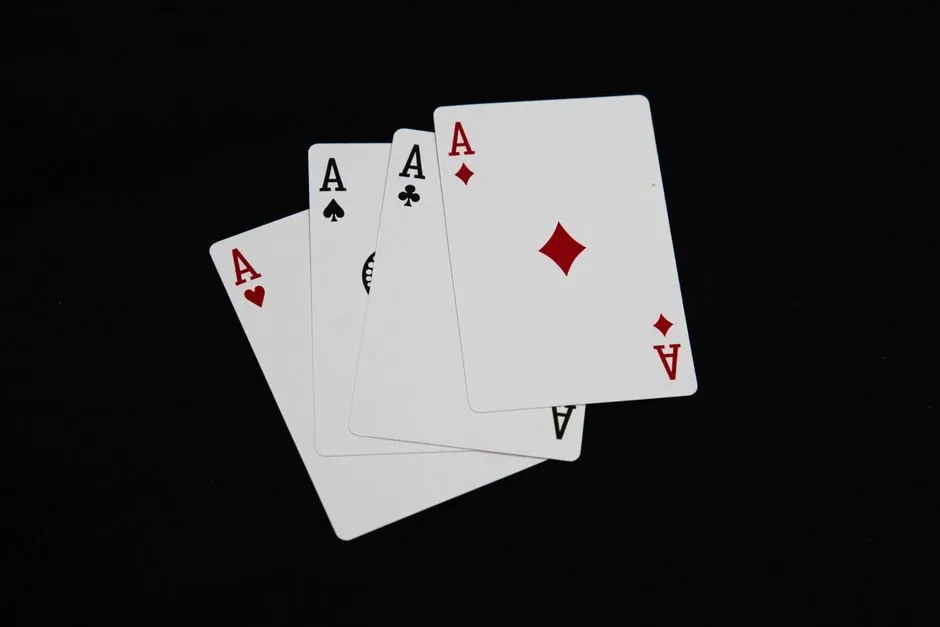
Four of a kind, or quads, means holding all four cards of a single rank plus one unrelated card. It’s a rare and powerful hand that beats everything except a straight flush. When two players somehow have quads of different ranks, the higher rank wins outright.
Because this hand is uncommon, a cheat sheet image is especially useful for newer players who may never have actually seen quads land in a live hand before.
Straight Flush: Rare and Powerful
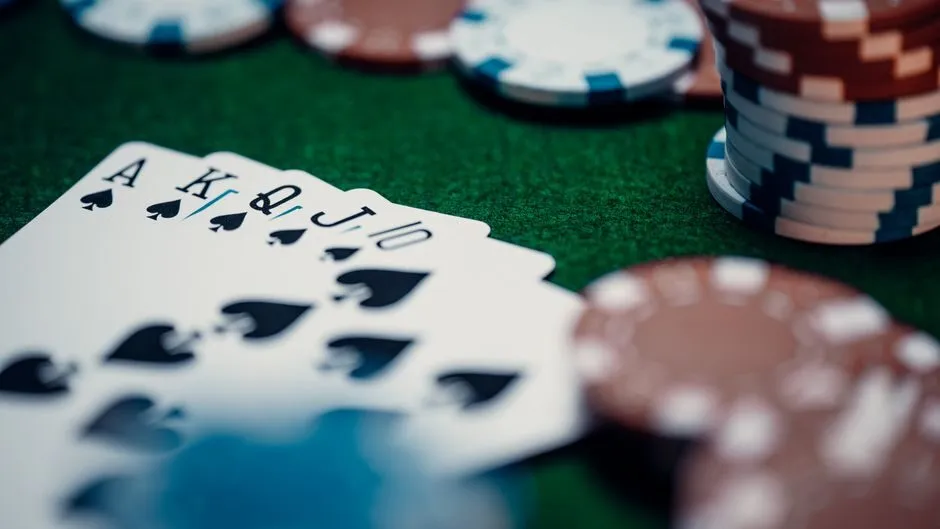
A straight flush combines the sequencing of a straight with the matching suits of a flush — five consecutive cards, all the same suit. It’s extremely rare and beats every hand except the royal flush, which is technically just the highest possible straight flush.
Players studying all poker hands by rank often pause here because the gap between a straight flush and anything below it is enormous in terms of rarity and strength.
Royal Flush: The Top of the Chart
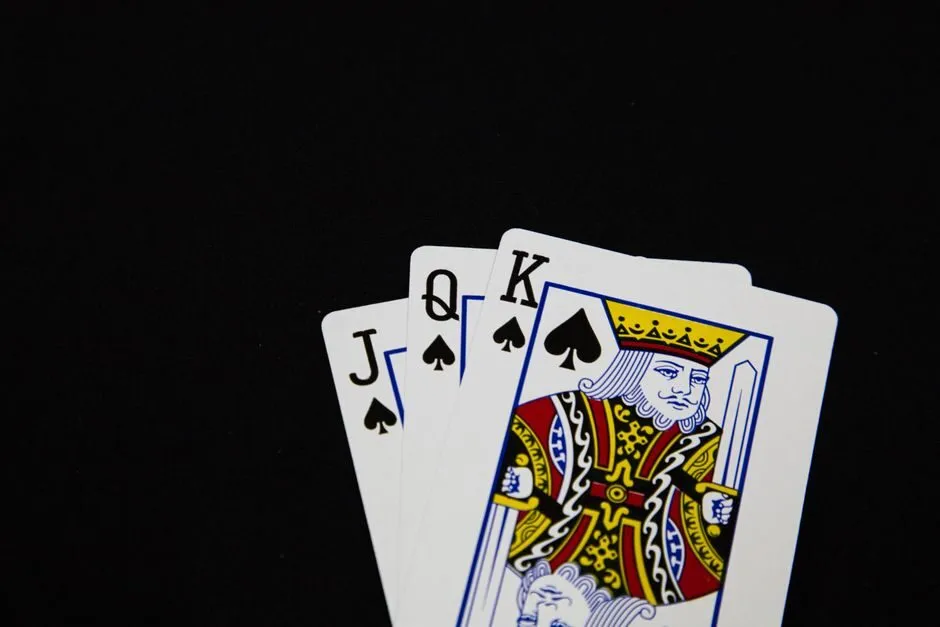
The royal flush is the best possible hand in standard poker: 10, Jack, Queen, King, and Ace, all in the same suit. It’s essentially the highest-ranking straight flush, and landing one is a rare enough event that many players go years without seeing it dealt to them personally.
On any complete poker hands cheat sheet, this sits right at the top, and it’s worth memorizing simply because it’s the hand everyone recognizes on sight.
Printable Cheat Sheet Layout
Once you understand each hand individually, it helps to see them stacked in a single column, lowest to highest, the way a printable chart typically organizes them. This layout format is similar in spirit to how a basic strategy chart condenses decisions into a quick-reference grid for a different card game entirely.
- High card
- One pair
- Two pair
- Three of a kind
- Straight
- Flush
- Full house
- Four of a kind
- Straight flush
- Royal flush
Keeping this list visible while playing or studying trims down decision time significantly.
Comparing Hands Side by Side
A side-by-side visual comparison is one of the most practical ways to use a cheat sheet, especially for close calls like flush versus full house or straight versus three of a kind. Place two example hands next to each other and walk through which one wins and why.
This kind of comparative study mirrors how serious card players in general approach structured strategy training — breaking decisions into repeatable patterns rather than guessing in the moment.
FAQ
What's the easiest way to memorize all poker hands by rank?
Group them into tiers: no-pair hands (high card, pair, two pair), matched-set hands (trips, full house, quads), and sequence hands (straight, flush, straight flush, royal flush). Reviewing a visual cheat sheet repeatedly, rather than just reading a text list, tends to make the order stick faster.
Does suit matter when comparing two flushes?
No. In standard poker, suits don’t carry individual rank value. If two players both have a flush, the winner is determined by the highest card in each flush, then the next-highest card if there’s a tie, and so on.
Is a straight flush the same as a royal flush?
A royal flush is technically a specific type of straight flush — the highest one possible, running 10 through Ace in the same suit. Any other straight flush (like 5 through 9 of hearts) ranks just below it.
Why is one pair so common compared to other hands?
With a standard 52-card deck, there are far more ways to form a single pair than to form rarer combinations like a full house or four of a kind. That’s simply a matter of math and probability, which is why one pair sits near the bottom of the ranking chart.
Keeping a poker hands cheat sheet nearby — whether printed, bookmarked, or memorized through repeated visual review — takes the guesswork out of reading the table. Once the ranking order feels automatic, you can focus more on reading opponents and less on second-guessing whether a flush beats a straight.
If you’re interested in how structured visual references apply to other card games as well, it’s worth browsing the strategy charts and training resources elsewhere on this site for a similar approach applied to blackjack.